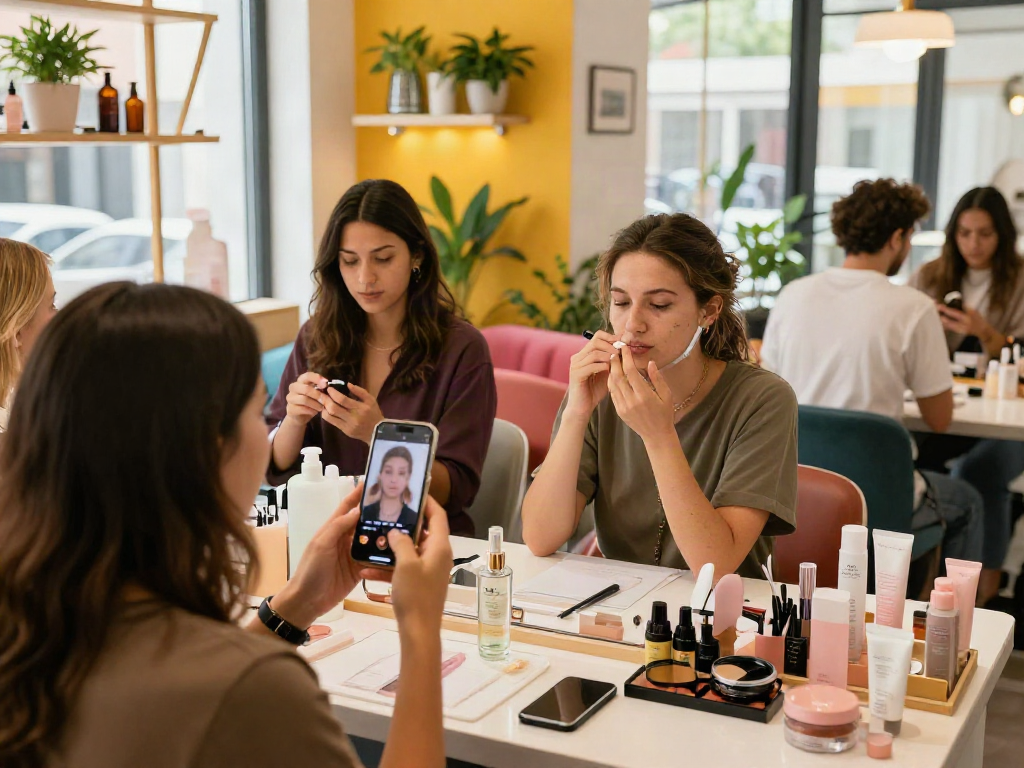
Understanding the Concept of Age Perception
The question of "how old do I look" transcends mere curiosity; it taps into deep-seated human interests in identity, self-awareness, and social perception. Age perception influences how we see ourselves and how others perceive us. In the digital age, with advancements like AI-driven age estimation tools, understanding this concept has become more relevant than ever. These technologies allow users to upload photos and receive instant feedback on perceived age, fostering a fascinating intersection of psychology and technology. For example, how old do I look serves as a resource for individuals wanting to explore their age perception through an engaging lens.
What Does "How Old Do I Look" Mean?
At its core, the phrase "how old do I look" encapsulates the idea of subjective age estimation based on facial features, skin texture, and overall appearance. This notion can differ significantly across cultures and among individuals. Whereas some may trivialize the question, others see it as a reflection of societal norms regarding beauty and aging. Tools that help answer this question use various algorithms to analyze images, ultimately producing an estimated age that may or may not align with a person's chronological age. Understanding this disparity is crucial for interpreting the results.
Psychological Aspects of Age Estimation
Age estimation is influenced by various psychological factors. Research indicates that people often have a biased view of aging based on their experiences and societal conditioning. For instance, younger individuals may perceive older adults as more advanced or experienced, leading to underestimations of their actual age. This psychological lens significantly impacts self-esteem and can contribute to age-related anxiety. The quest for youthfulness, driven by societal pressures, often fuels the popularity of age estimation apps. As a result, users may grapple with their age perceptions based on app results, prompting deeper self-reflection.
The Role of Culture in Age Perception
Cultural influences play a significant role in shaping how individuals perceive age. In some cultures, aging is celebrated with reverence, associating older age with wisdom and respect. Conversely, in others, youth is idolized, leading to a detrimental view of aging. Cultural narratives about age greatly shape personal beliefs and motivations regarding appearance. For example, advertising in Western cultures often emphasizes youth, creating an environment where older individuals may feel pressured to conform to youthful ideals.
Technology Behind Age Estimation Tools
As technology continues to enhance numerous aspects of our lives, age estimation tools have gained popularity due to their accessibility and ease of use. These tools leverage artificial intelligence (AI) and machine learning algorithms to analyze facial features and predict age with surprising accuracy. An exploration into how these tools work reveals a fascinating interplay between science and daily life.
How AI Powers Age Estimation
AI-driven age estimation tools utilize deep learning algorithms to assess facial features and skin attributes. By training on vast datasets of images categorized by age, these tools learn to recognize patterns associated with aging. Factors such as wrinkles, skin tone, and even facial structure contribute to the model's predictions. The rapid advancement of AI technology has led to increasingly sophisticated estimations, although they should still be approached with caution given the inherent variability in human appearance.
Comparing Popular Age Estimation Apps
Several applications have emerged on the market, each claiming to provide accurate age estimations. For instance, platforms like FaceAge.ai and Fotor allow users to upload their photos and receive feedback within moments. Additionally, the Face Age Calculator by Photo leverages machine learning to enhance user engagement. While these tools are entertaining and often insightful, they can differ significantly in accuracy, depending on their underlying technology and datasets.
Evaluating Accuracy and Privacy Concerns
While the accuracy of age estimation tools can be impressive, users should remain aware of privacy implications. Many applications require users to upload personal images, raising concerns about data security and potential misuse. When engaging with such platforms, it is essential to read the privacy policy and understand how the data may be used. Furthermore, accuracy can vary; therefore, these tools should be seen as fun rather than definitive assessments of one's age.
Practical Applications of Age Perception Tools
Beyond satisfying curiosity, age estimation tools offer numerous practical applications across various fields. From personal development to creative industries, understanding how age is perceived can provide valuable insights used for self-improvement and engagement.
Using Age Estimation for Self-Reflection
Many individuals use age estimation tools for self-reflection, seeking to understand how their perceived age aligns with their self-identity. This reflective process can enhance self-awareness, enabling users to make conscious choices regarding their appearance and lifestyle. Furthermore, acknowledging age perception can prompt discussions about age-related stereotypes, fostering a healthier dialogue surrounding aging.
Creative Projects Inspired by Age Perception
Artists and content creators can utilize age perception tools as inspiration for innovative projects. By exploring how perceived age is assessed, they can create more engaging visual narratives that challenge societal norms. Whether through photography, digital art, or film, integrating the concept of age perception can deepen audience engagement and stimulate thought-provoking conversations.
Assessing Age in Social Media Contexts
In today's digital landscape, social media plays a central role in shaping perceptions of age. Age estimation tools can help individuals understand how they present themselves online. Users are continually assessing and managing their online personas, influenced by feedback from peers. Leveraging age estimation can inform choices about profiles, images, and overall presentation in an online context, contributing to a more authentic online identity.
Challenges and Misconceptions in Age Perception
Despite the advancements in age estimation technologies, several challenges and misconceptions persist. These issues can affect how individuals perceive themselves and others, necessitating a critical examination of the biases underlying these tools.
Common Misunderstandings About Age Estimation
One significant misconception is that age estimation tools can provide a "truthful" representation of biological age. However, these tools rely on patterns that may not account for individual differences and lifestyle factors, such as diet and exercise. Thus, results should be treated as estimates rather than definitive assessments. Additionally, societal pressures can lead users to internalize these results in unhealthy ways, impacting their self-worth.
Overcoming Age Stereotypes in Creative Fields
In creative industries, age stereotypes can severely limit opportunities for individuals. The notion that only younger individuals can create trending content often undermines the contributions of older creators. Using age estimation tools to challenge these stereotypes can empower individuals to pursue their passions unapologetically, regardless of their age.
Addressing Limitations of Technology
While age estimation technologies are becoming increasingly sophisticated, they are not without limitations. Variability in individual features and cultural influences can skew results, making it essential to approach these technologies with a balanced perspective. Furthermore, as technology evolves, staying informed about the latest advancements can help users better understand the tools available and their implications.
Future Trends in Age Estimation
The realm of age estimation is poised for continued evolution as technology advances. Emerging trends suggest that the integration of AI-powered analytics will enhance the accuracy and user experience of these tools.
Emerging Technologies and Their Impact
Future age estimation tools may incorporate augmented reality (AR) and virtual reality (VR) to enhance user interaction. By allowing users to visualize changes in their appearance over time, these technologies could empower individuals to make lifestyle changes and engage more positively with the aging process. Moreover, increased personalization in AI could create more nuanced age estimations based on individual lifestyle choices.
Predictions for Age Estimation Tools in 2026
Looking ahead, it is likely that 2026 will see a rise in personalized age estimation tools that offer deeper insights into biological age. Increased integration with health tracking apps may allow users to correlate lifestyle choices with perceived age, fostering a more holistic understanding of aging.
Integrating Age Perception into Art and Media
As interest in age perception grows, artists and content creators may seek to incorporate these themes into their works. By challenging conventional depictions of aging, they can prompt audiences to reconsider their beliefs about youth and beauty. This evolution in artistic expression can amplify the conversation surrounding age and identity, encouraging more inclusive representations across all media.
What is the best age estimation tool available?
The best age estimation tool varies based on individual needs and preferences. Factors such as user interface, accuracy, and privacy offerings should be weighed. Tools like FaceAge.ai and Fotor are popular for their user-friendly designs and appealing results.
How accurate are AI-based age estimators?
AI-based age estimators can vary in accuracy. Some tools rely on extensive datasets and advanced algorithms, producing more reliable results. However, human variability means estimates can still be off. It's crucial to approach these tools with the understanding that they are not definitive.
Can age perception impact self-esteem?
Indeed, age perception can significantly influence self-esteem. Many individuals internalize the results from age estimation tools, which may lead to feelings of inadequacy or insecurity. Understanding this effect is essential for promoting a healthier self-image.
What role does culture play in age perception?
Culture profoundly influences age perception by shaping societal norms and expectations. Different cultures celebrate aging differently, impacting individual experiences and self-acceptance. Recognizing these cultural narratives can help individuals better understand their views on age.
How can I use age estimation in my creative projects?
Incorporating age estimation into creative projects can offer unique perspectives and narratives. Consider using age estimation results as a springboard for exploring themes of aging, identity, and beauty in your work. Engaging with these tools can enrich your creative expressions and resonate with a broader audience.