The Therapeutic Benefits of Coloring for Stress Relief
In our fast-paced world, the significance of mental well-being has never been more paramount. With rising stress levels due to work, personal obligations, and societal pressures, individuals are increasingly seeking alternative methods for relaxation and self-care. One such method that has gained traction is coloring, a seemingly simple yet profoundly therapeutic activity. Coloring for stress relief combines creativity with mindfulness, allowing individuals of all ages to unwind and alleviate stress. In this article, we will explore the scientific, psychological, and practical aspects of coloring as a tool for stress relief.
Understanding Stress and Its Impact
Stress can manifest in numerous ways, affecting both mental and physical health. Chronic stress is known to contribute to a myriad of health problems including anxiety, depression, heart disease, and complications with the immune system. It can impair cognitive functions, lead to burnout, and even disrupt sleep. Understanding the root causes of stress and its effects on the human body is crucial in managing and mitigating its impact.
How Coloring Promotes Relaxation
Coloring engages both the brain and body in a manner akin to meditation. As one focuses on filling intricate designs with color, it diverts the mind from negative thoughts and reduces anxiety. This repetitive, rhythmic activity triggers a relaxation response similar to that of mindfulness practices. Additionally, the act of choosing colors and experimenting with different shades can stimulate creativity, which further enhances mood and fosters a sense of accomplishment.
Scientific Studies Supporting Art Therapy
Numerous studies have demonstrated the effectiveness of art therapy techniques, including coloring, in reducing stress and promoting emotional well-being. Research published in the Journal of the American Art Therapy Association found that engaging in creative activities resulted in lower levels of cortisol, the stress hormone. Furthermore, a study from the University of the Sunshine Coast indicated that even a small amount of coloring can lead to significant reductions in anxiety levels.
Choosing the Right Materials for Effective Coloring
When it comes to coloring, the choice of materials can significantly influence the experience. Selecting the right tools not only enhances the enjoyment of this activity but can also boost its therapeutic effects.
Types of Coloring Books for Adults
Adult coloring books come in various themes and complexity levels, catering to different personal preferences. Some popular categories include:
- Mindfulness Coloring Books: Designed to promote relaxation and mindfulness.
- Intricate Patterns: Featuring detailed designs that require focused attention.
- Nature Themes: Depicting calming natural scenes that evoke tranquility.
Best Coloring Tools and Supplies
Quality coloring supplies can enhance the creative process. Here are key items to consider:
- Colored Pencils: Ideal for blending and shading.
- Markers: Provide vibrant colors but may bleed through pages.
- Gel Pens: Excellent for fine details and adding a glossy finish.
Creating an Inviting Coloring Space
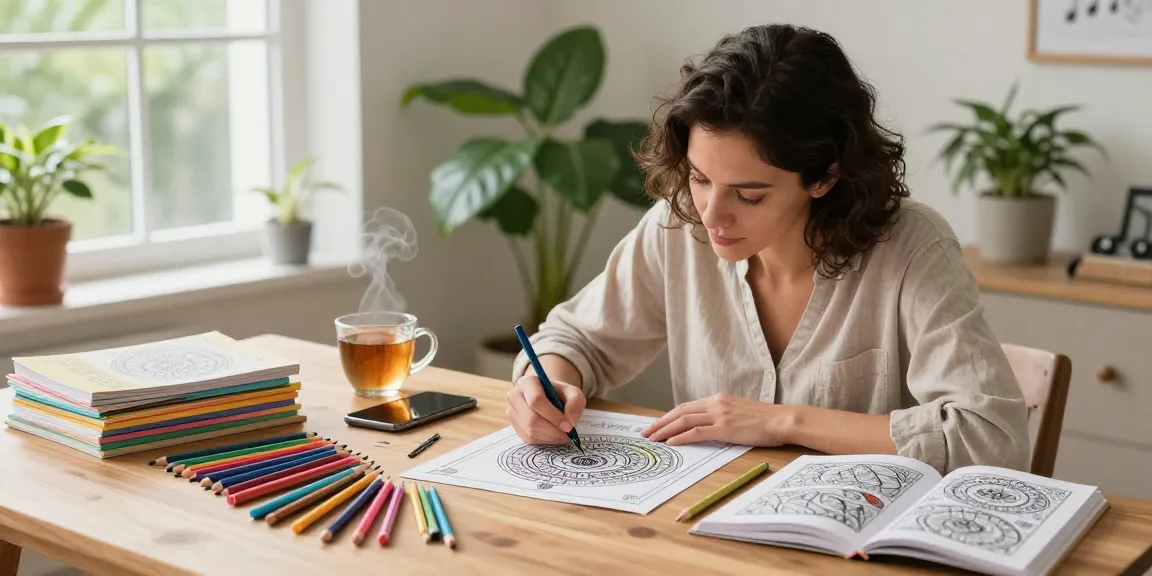
A dedicated space for coloring can enhance the experience. Consider these tips when setting up your coloring area:
- Choose a Comfortable Spot: Find a quiet area with good lighting.
- Organize Supplies: Keep your coloring books and tools neatly arranged for easy access.
- Add Personal Touches: Decorate your space with calming colors and inspiring artwork.
Techniques to Enhance Your Coloring Experience
To maximize the benefits of coloring for stress relief, consider integrating additional techniques into your practice.
Mindfulness Practices While Coloring
Being present while coloring can amplify its stress-relief benefits. Focus on the sensation of the pencil or pen moving across the paper, the colors you’re using, and your breathing patterns. This mindfulness approach can reduce anxiety and enhance overall well-being.
Color Theory and Its Effects on Mood
Understanding color psychology can help you select hues that promote the desired emotional states. For instance:
- Blue: Calming and tranquil.
- Yellow: Uplifting and energizing.
- Green: Refreshing and rejuvenating.
Combining Coloring with Other Relaxation Techniques
For a holistic approach to stress relief, combine coloring with techniques such as deep breathing, gentle music, or aromatherapy. This multi-faceted approach can significantly enhance your relaxation experience.
Real-Life Applications and Success Stories
Coloring has been embraced by many, leading to profound improvements in mindset and stress management. Here are some compelling accounts.
Case Studies of Stress Relief Through Coloring
Several individuals report remarkable outcomes from integrating coloring into their routines. For example, one corporate professional found solace in evening coloring sessions after stressful workdays, leading to improved sleep and a more positive outlook.
Testimonials from Coloring Enthusiasts
Many enthusiasts share their stories of transformation through coloring. A middle-aged mother recounted how engaging in coloring during her children's activities provided her with mental breaks, fostering both creativity and relaxation.
Incorporating Coloring into Lifestyle Routines
Integrating coloring into daily or weekly routines can ensure it becomes a beloved ritual. Set aside dedicated time weekly—perhaps during weekends or after work—for an uninterrupted coloring experience.
Future Trends in Coloring for Wellness
As the awareness of art therapy continues to rise, so do innovations and trends in the coloring world. The future looks promising for those seeking creative outlets for stress relief.
Emerging Innovations in Coloring Techniques
New tools and techniques are regularly emerging in the art and wellness spheres. Expect to see advancements in virtual reality coloring experiences that allow for immersive relaxation.
The Role of Digital Coloring Apps
Digital platforms are revolutionizing how people engage with coloring. Apps that feature interactive designs and customizable features are gaining popularity, allowing users to color on the go.
Predictions for Art Therapy in 2026 and Beyond
The future of art therapy, including coloring, is likely to see increased integration into mental health treatment plans as more professionals recognize its benefits. As research continues, more innovative approaches will emerge, cementing coloring’s place in stress relief practices.
What Are the Benefits of Coloring for Stress Relief?
The advantages of coloring for stress relief are multifaceted. It promotes relaxation, enhances mood, encourages creativity, and serves as an accessible form of art therapy that can be enjoyed by anyone.
How Can I Start Coloring for Stress Relief?
To embark on your coloring journey, start by selecting materials that appeal to you. Choose an inviting coloring book and tools that resonate with your style. Create a calming environment, and allow yourself to indulge in this delightful creative escape.
What Supplies Do I Need for Effective Coloring?
At a minimum, high-quality colored pencils or markers and a coloring book will do. However, you can enhance your experience with additional supplies such as blending tools, erasers for corrections, and even a color wheel for guiding your choices.
Are There Any Risks Associated with Coloring?
While coloring is generally safe, it’s essential to be mindful of posture and ergonomics when seated for extended periods. Ensuring proper support and taking breaks can prevent strain.
How Is Coloring Used in Therapy?
Professional therapists often incorporate coloring into treatment plans as a means of facilitating expression and dialogue. It offers a non-verbal outlet for emotions, making it particularly valuable in therapy sessions.